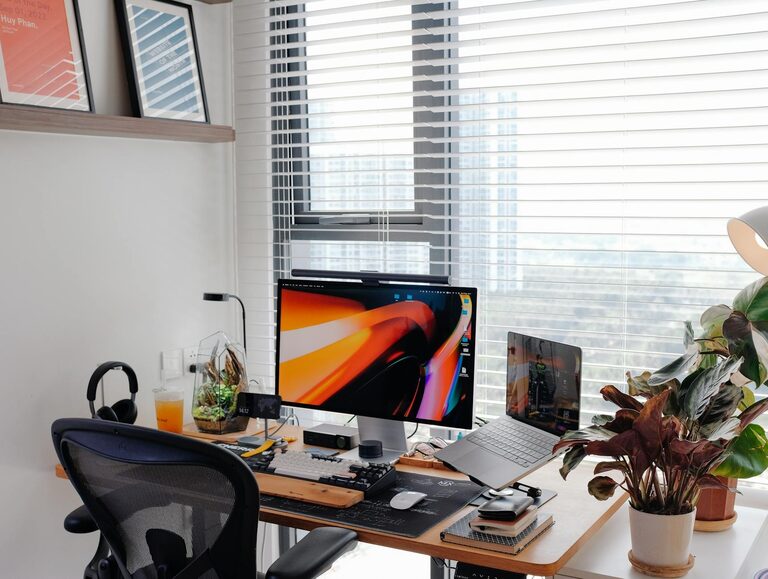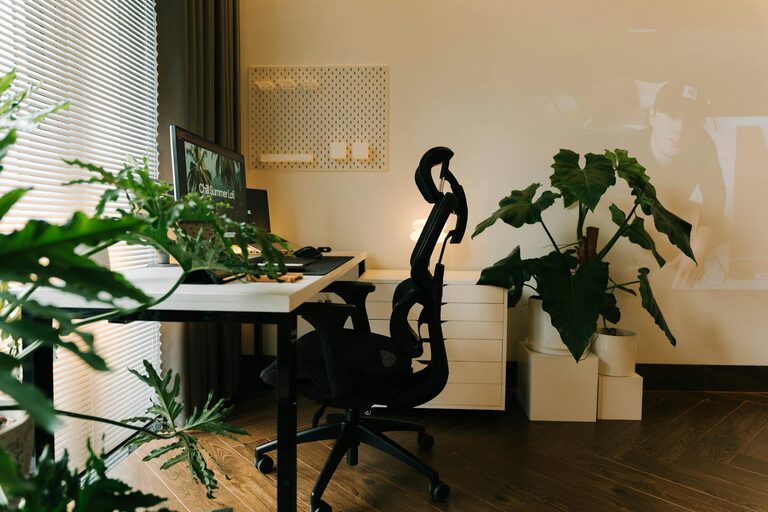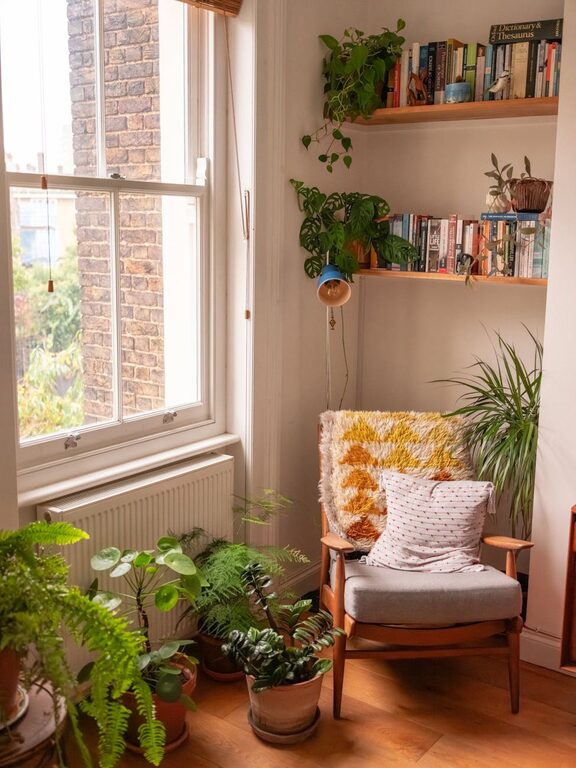
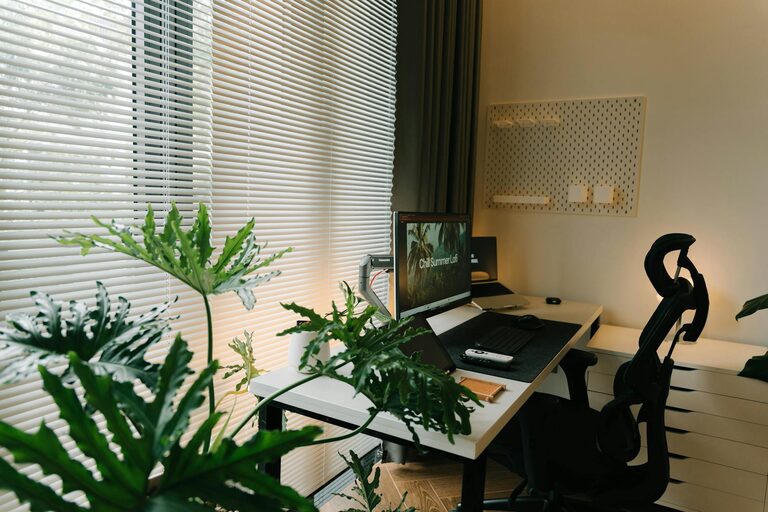
Creating a home office that is both relaxing and productive can make a big difference in your work-from-home experience. Whether you’re freelancing, working remotely, or simply need a dedicated space for personal projects, your environment influences how much you accomplish and how you feel while doing it. Here are some helpful tips to design a home office that nurtures focus, creativity, and calm.
1. Choose the Right Location
Selecting the ideal spot in your home for your office is the foundation of a productive workspace.
– Natural Light: Aim for a space with plenty of natural light. Sunlight improves mood and helps regulate your circadian rhythm, which can increase alertness.
– Quiet Area: Look for a quiet corner away from household noise and distractions.
– Dedicated Space: If possible, designate a specific area or room for work to help create a clear boundary between work and personal life.
2. Invest in Comfortable Furniture
Comfort is essential when you’ll be sitting and working for extended periods.
– Ergonomic Chair: Invest in a good-quality chair that supports your back and encourages proper posture.
– Desk Height: Your desk should suit your height so you can type and write without strain. Adjustable desks are a popular choice.
– Footrest: A footrest can improve circulation and reduce pressure on your legs.
3. Organise Your Workspace
A clutter-free desk helps clear your mind and prevents distractions.
– Storage Solutions: Use shelves, drawers, or filing cabinets to keep documents and items neatly stored.
– Desk Organisers: Keep daily essentials like pens, notebooks, and chargers easily accessible yet tidy.
– Digital Organisation: Maintain an organised digital workspace by regularly backing up files and cleaning your desktop.
4. Personalise to Enhance Comfort and Inspiration
Adding personal touches makes your office inviting and can boost your motivation.
– Plants: Indoor plants improve air quality and add a calming natural vibe.
– Artwork and Photos: Decorate with pieces that inspire or relax you.
– Colours: Choose soothing colours such as soft blues, greens, or neutrals, which can promote calm and concentration.
5. Manage Lighting Effectively
Proper lighting helps prevent eye strain and keeps you alert.
– Task Lighting: Use adjustable desk lamps for focused work.
– Avoid Glare: Position your screen to reduce glare from windows or overhead lights.
– Ambient Lighting: Soft, warm lighting creates a welcoming atmosphere especially for early mornings or late evenings.
6. Control Noise Levels
Noise can be distracting, but some sounds can actually enhance focus.
– Noise-cancelling Headphones: These can block out disruptive sounds.
– Background Music: Gentle instrumental music or nature sounds may help concentration.
– Soundproofing: Use rugs, curtains, or acoustic panels to minimise echo and external noise.
7. Take Regular Breaks
Remember to give your mind and body regular rest.
– Pomodoro Technique: Work in focused intervals (e.g., 25 minutes) followed by short breaks.
– Stretching: Stand, stretch, or move around to avoid stiffness.
– Step Outside: A brief walk outside can refresh your energy and clear your head.
8. Utilise Technology Wisely
The right technology can streamline your tasks and improve productivity.
– Efficient Devices: Use reliable computers, smartphones, and printers.
– Software Tools: Utilise apps for task management, note-taking, and calendar scheduling.
– Cable Management: Keep cords neatly gathered to reduce clutter.
9. Maintain Good Air Quality and Temperature
A comfortable environment supports wellbeing and focus.
– Ventilation: Open windows where possible or use air purifiers to keep fresh air flowing.
– Heating and Cooling: Adjust your thermostat so you feel comfortable but alert.
– Humidity: If the air is too dry, consider a humidifier to prevent dry skin and irritation.
10. Set Boundaries for Work and Rest
To maintain productivity without burnout, it’s important to separate work from personal life.
– Work Hours: Set regular working hours and stick to them.
– Physical Separation: Close your office door or pack away work materials when the day ends.
– Social Media Limits: Use apps or settings to limit distracting websites during work hours.
—
By combining thoughtful design, comfort, and practical organisation, you can create a home office environment that supports your best work and wellbeing. Try implementing these tips step-by-step and adjust your space until it feels just right for you. A well-crafted home office can turn your work-from-home days into enjoyable and productive ones.
About the Author