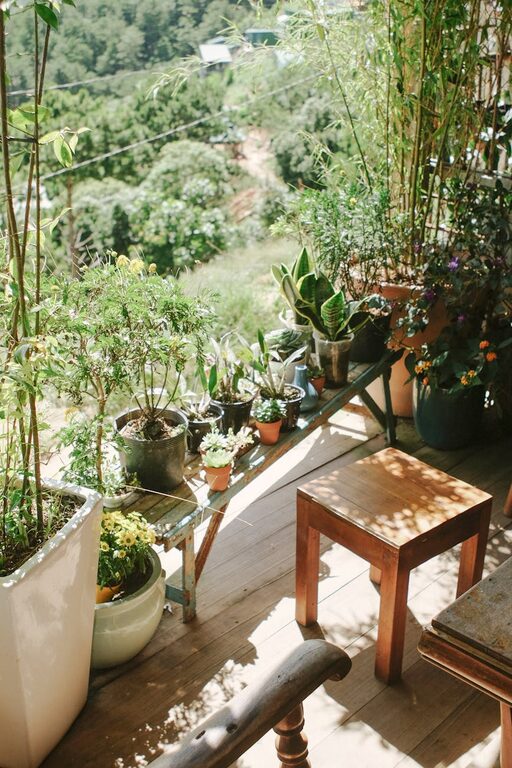
Creating a relaxing outdoor garden space at home is a wonderful way to connect with nature, unwind after busy days, and provide a calm sanctuary for family and friends. Whether you have a small balcony or a spacious backyard, thoughtful design and simple touches can turn your garden into a soothing retreat. This guide offers practical tips to help you craft an outdoor space that promotes peace and relaxation.
Plan Your Space Thoughtfully
Before you start planting or buying garden furniture, take some time to plan your outdoor space. Consider how you want to use it—whether for quiet reading, social gatherings, or meditation—and how much sunlight different areas receive throughout the day.
Consider Layout and Zones
Dividing your garden into functional zones can help create a sense of order and make the space feel more inviting. For example:
– Seating Area: Place comfortable chairs or a bench where you can sit and relax.
– Planting Area: Dedicate spots for flowers, shrubs, or herbs.
– Pathways: Use stepping stones or gravel to define walking routes.
– Water Feature or Sculpture: Add points of interest that enhance tranquillity.
Drawing a simple sketch can help visualise these areas and make the most of your garden’s shape and size.
Choose Calm and Inviting Plants
Plants are central to making your outdoor space relaxing. Opt for greenery and flowers known to promote calm and fresh air.
Best Plants for a Relaxing Garden
– Lavender: Its gentle scent calms the mind and deters insects.
– Jasmine: Sweet fragrance complements evening ambience.
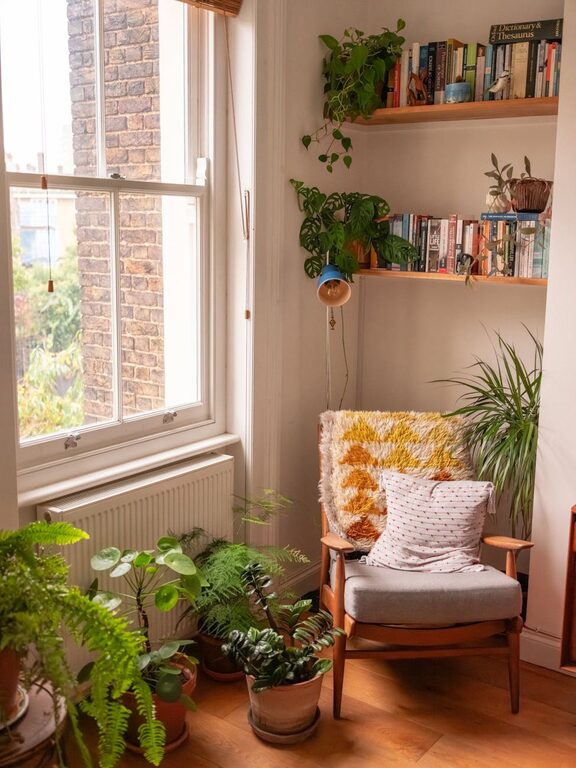
– Ferns: Add lush, green texture and thrive in shaded areas.
– Herbs: Mint, rosemary, and chamomile can be both useful and scented.
– Grasses: Ornamental grasses provide gentle movement with the breeze.
Mix evergreen plants with seasonal blooms to ensure your garden looks beautiful year-round.
Create Comfortable Seating
A relaxing garden needs a comfortable place to sit. Choose seating that encourages lingering and comfort.
– Benches: Wooden or metal benches fit well in many garden styles.
– Hammocks or Swings: Perfect for reading and gentle rocking.
– Outdoor Sofas or Lounge Chairs: Ideal for longer stays and socialising.
– Cushions and Throws: Add soft furnishings for cosy appeal and warmth on cooler days.
Make sure seating is placed in areas with shade, either naturally or with the help of umbrellas or pergolas.
Incorporate Soothing Water Features
The sound of running or trickling water is naturally relaxing and can mask distracting noises like traffic.
– Mini Ponds: Small ponds with aquatic plants attract wildlife.
– Fountains: A fountain with gentle water flow creates calming sounds.
– Birdbaths: Attract birds and provide a charming water source.
– Water Walls: Modern and minimalistic, these can suit contemporary gardens.
Choose a feature that fits your budget and garden style.
Use Lighting to Enhance Ambience
Well-placed lighting extends your garden’s usability into the evening and provides a peaceful atmosphere.
– String Lights: Soft, warm bulbs hung overhead create a magical feel.
– Solar Lanterns: Eco-friendly and easy to position along paths or borders.
– Spotlights: Highlight special plants or sculptures for visual interest.
– Candles or Tea Lights: Add gentle flickering light for intimate moments.
Avoid overly bright, harsh lights to maintain a mellow mood.
Add Personal Touches
Personalisation brings charm and comfort to your garden space.
– Garden Décor: Wind chimes, statues, or handcrafted pieces showcase your style.
– Outdoor Rugs: Define seating areas and add colour.
– Planters: Choose attractive pots that complement your plants and garden theme.
– Shelter: A gazebo or pergola offers shelter and shade, making the space usable in various weather.
These details give your garden character and invite you to spend more time outside.
Maintain Your Garden Regularly
A relaxing garden requires some care, but it doesn’t have to be time-consuming.
– Regular Watering: Keep plants healthy, especially during dry spells.
– Pruning and Deadheading: Remove old flowers and trim plants to promote growth.
– Weeding: Reduce competition for nutrients and keep the space tidy.
– Cleaning Seating and Features: Wipe down furniture and clean water features to prevent algae.
Routine upkeep helps your garden remain a pleasant place to relax.
Additional Tips for a Relaxing Garden
– Use natural materials: Wood, stone, and bamboo blend harmoniously with nature.
– Neutral colours: Soothing colour schemes in furniture and decoration reinforce calm.
– Keep clutter minimal: Avoid overcrowding to maintain an open, peaceful feel.
– Invite wildlife: Bird feeders and bee-friendly plants add liveliness without disturbance.
– Consider privacy: Use hedges, trellises, or screens to create a secluded atmosphere.
Conclusion
Creating a relaxing outdoor garden space at home is a rewarding project that combines design, nature, and personal taste. With thoughtful planning, comfortable seating, calming plants, and tranquil features, you can build your own peaceful retreat. Take your time to experiment and adjust, and most importantly, enjoy the calm moments your garden will bring.
About the Author