Creating a cosy and inviting reading nook at home is a wonderful way to carve out a personal sanctuary for relaxation and enjoyment. Whether you have a small corner, a window alcove, or a spare room, turning it into a comfortable nook can enhance your reading experience and bring a calming touch to your space. In this post, we will explore practical tips and design ideas to help you create your perfect reading retreat.
Choose the Right Location
The first step in creating a reading nook is selecting the ideal spot. Look for a quiet area where you can relax without distractions. Popular choices include:
– A corner in the living room or bedroom
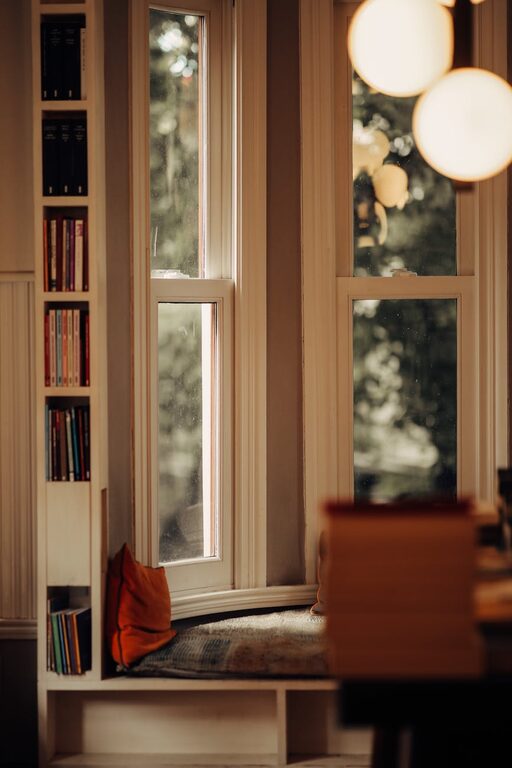
– A bay window or window seat
– An unused alcove or under the stairs
– A small section of a larger room, separated by a room divider or bookshelf
Natural light is a bonus, but if that’s limited, planning for good artificial lighting will be essential.
Focus on Comfortable Seating
Your reading nook’s seating should invite you to sit for hours. Comfort is key.
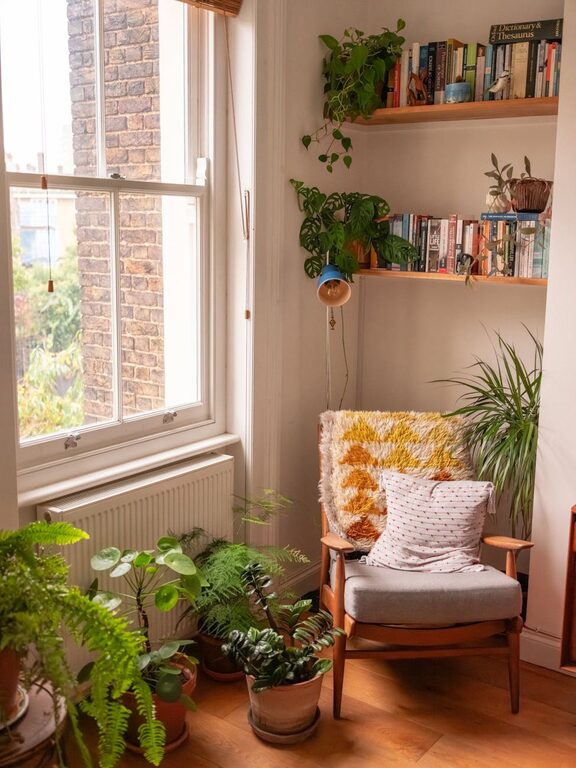
– Armchairs: A well-cushioned armchair with good back support is a classic choice.
– Window seats or benches: Add cushions and soft throws to make these more inviting.
– Bean bags or floor cushions: These work well in informal spaces and add flexibility.
– Small sofas or loveseats: For bigger nooks that need to accommodate two people.
Look for upholstery in soft fabrics like cotton, wool, or velvet. Add plenty of cushions for extra comfort.
Add Good Lighting
Ample lighting is vital for any reading space. Ideally, combine natural and artificial light.
– Position your nook near a window for daylight.
– Use adjustable floor lamps or table lamps with warm, soft bulbs for evening reading.
– Consider installing a dimmer switch to control brightness.
– Clip-on book lights are handy for focused illumination without disturbing others.
Avoid harsh overhead lighting, which can cause glare and strain your eyes.
Include Storage for Books and Essentials
Keeping your favourite books and reading accessories close at hand saves you frequent trips across the house.
– Add wall-mounted shelves or built-in bookcases.
– Use a small side table or basket to hold current reads, bookmarks, and journals.
– Consider multifunctional furniture, like an ottoman with storage.
– Keep a cosy blanket or throw within easy reach.
Organised but accessible storage encourages you to spend more time in your nook.
Choose a Colour Scheme that Feels Welcoming
Colours influence mood and comfort. For a cosy nook, opt for warm, soothing tones.
– Earthy shades like beige, terracotta, and olive green create a restful atmosphere.
– Soft pastels such as dusty pink or muted blue add calmness without being dull.
– Patterned cushions or rugs with subtle designs can add character and warmth.
– Avoid overly bright or cold colours, which might feel less relaxing.
Personalise your nook with colours you genuinely find comforting.
Add Textures to Enhance the Cosiness
Layering different textures creates a tactile and inviting environment.
– Use plush cushions and throws made from wool, faux fur, or chunky knit fabrics.
– A soft rug underfoot adds warmth and comfort.
– Wooden furniture or accents bring natural texture and visual interest.
– Mix smooth fabrics with rougher ones for balance.
These small details make the space feel lived in and welcoming.
Incorporate Personal Touches and Décor
Your reading nook should reflect your personality and tastes.
– Display favourite artwork or prints on the walls.
– Use decorative items like plants, candles, or framed photos.
– Add a favourite mug or teapot if you enjoy drinks while reading.
– Consider a small speaker or music player for ambient sounds.
Personal touches make the nook feel special and yours alone.
Keep It Tidy and Clutter-Free
A tidy reading nook promotes relaxation and focus.
– Use storage solutions to keep books and accessories organised.
– Avoid overcrowding the space with too much furniture or décor.
– Regularly clear away items that don’t belong.
– Keep a small waste bin nearby for rubbish.
A clutter-free nook invites you to sit down and enjoy your reading without distractions.
Make It Adaptable
Your reading habits and needs might change over time, so design a flexible space.
– Choose lightweight or movable furniture to rearrange as needed.
– Use modular shelving that can be added to or reconfigured.
– Keep lighting adjustable for different times of day and moods.
– Incorporate seating options that suit different postures, such as a chair with footrest.
This approach ensures your reading nook remains comfortable and functional for years to come.
—
Creating a cosy and inviting reading nook at home is all about combining comfort, good lighting, practical storage, and personal touches. With these tips, you can design a small sanctuary that invites you to escape into your favourite stories whenever you wish. Happy reading!
About the Author