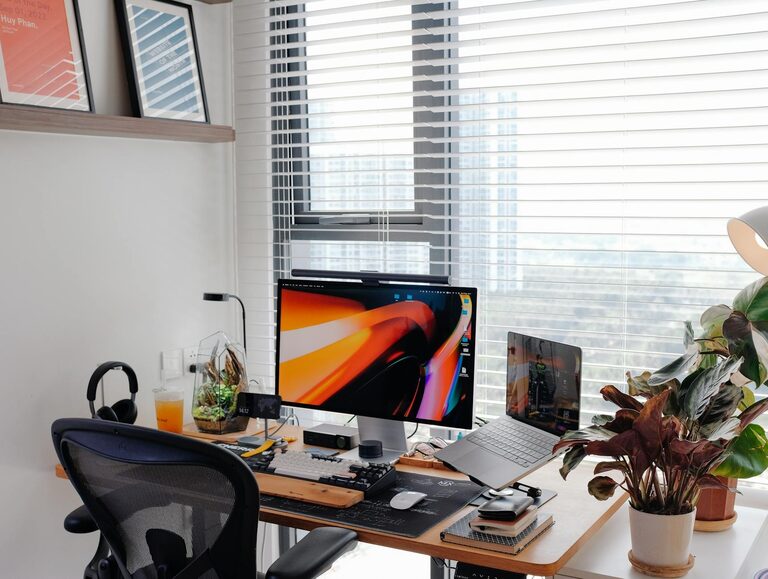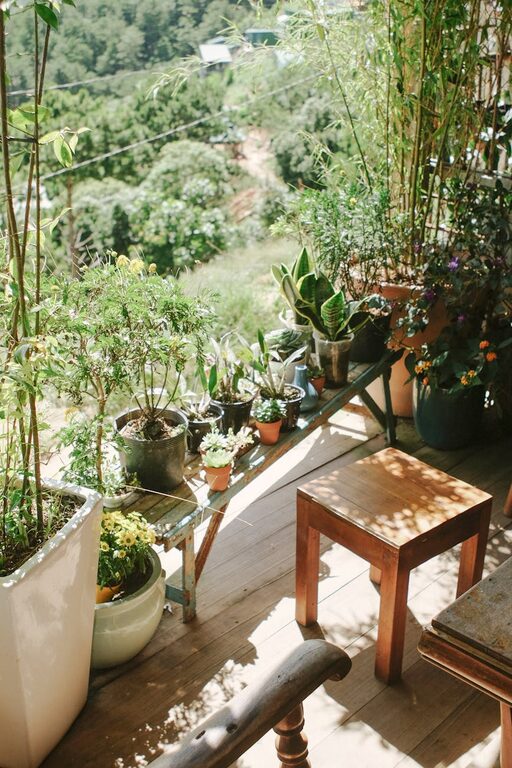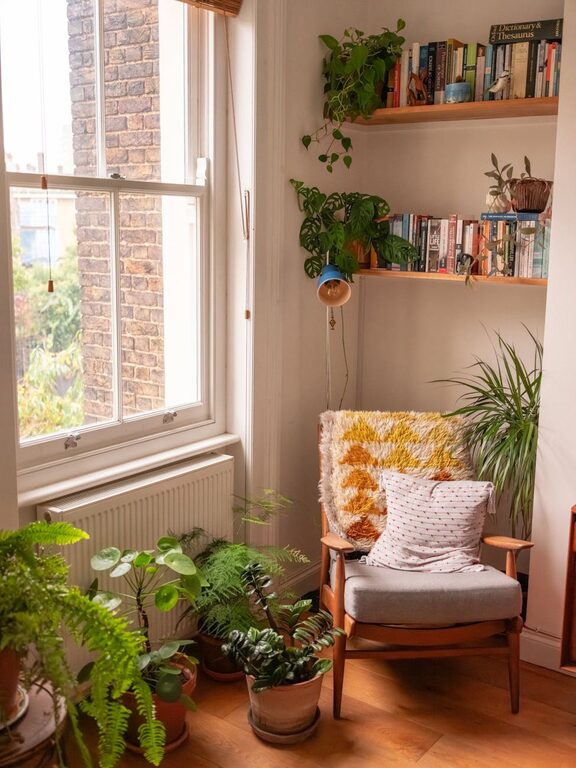
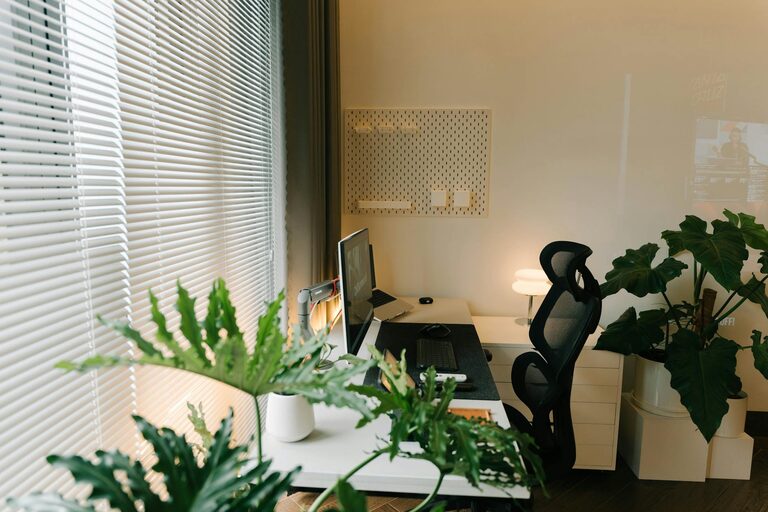
Creating a home workspace that is both sustainable and organised can greatly improve your productivity, comfort, and overall well-being. Whether you’re working from home full-time or just need a dedicated area for occasional tasks, making mindful choices will benefit you and the planet. This guide offers practical tips on setting up an eco-friendly and clutter-free workspace that suits your needs.
Why Choose a Sustainable and Organised Workspace?
Working in an organised environment helps reduce stress, saves time, and enhances focus. Incorporating sustainability means using resources wisely, reducing waste, and choosing environmentally friendly products. Together, these principles not only create a nicer space but also contribute to a healthier lifestyle and planet.
Planning Your Workspace
Select the Right Location
Choose a space in your home that receives good natural light, preferably near a window. Natural light reduces eye strain and saves energy during the day. Avoid noisy areas to maintain concentration.
Consider Space Efficiency
If space is limited, think vertically by using shelves and wall-mounted organisers. A compact desk with storage can keep your workspace neat without taking up much room.
Sustainable Choices for Furniture and Equipment
Opt for Eco-Friendly Materials
Look for desks, chairs, and storage units made from sustainable or recycled materials such as bamboo, reclaimed wood, or recycled metal. These options tend to have a lower environmental impact than plastic or non-renewable sources.
Choose Durable and Ergonomic Furniture
Investing in sturdy, ergonomic furniture reduces the need for replacements and supports good posture. This also means less waste and greater comfort during long work hours.
Energy-Efficient Devices
Select energy-saving computers, lamps, and peripherals. Use LED bulbs, smart power strips, or timers to reduce electricity use when devices are not needed.
Organising Your Workspace Effectively
Declutter Regularly
Start by sorting through your papers, supplies, and equipment. Keep only what you need and love. Use filing systems for paperwork to avoid piles of paper.
Use Storage Wisely
Incorporate boxes, trays, and drawer dividers to categorize items. Label containers clearly to find things quickly.
Keep Frequently Used Items Close
Place essential tools like pens, notebooks, or chargers within easy reach. Store seasonal or rarely used items out of the way.
Digital Organisation
Reduce paper clutter by scanning documents and organising files on your computer using folders and cloud storage. Regularly back up important data and delete unnecessary files.
Maintaining Sustainability Day to Day
Minimise Paper Use
Go digital wherever possible, using electronic calendars, notes, and communication. When printing is necessary, use recycled paper and print double-sided.
Reuse and Recycle
Repurpose containers as pen holders or storage, and recycle packaging materials responsibly.
Choose Eco-Conscious Office Supplies
Buy refillable pens, non-toxic inks, and recycled notebooks. Supporting sustainable brands helps encourage environmentally responsible practices.
Enhancing Your Workspace Environment
Add Greenery
Indoor plants improve air quality and add a calming, natural vibe. Choose easy-to-care-for plants such as spider plants or succulents.
Maintain Good Air and Lighting
Keep your workspace well ventilated to stay alert and comfortable. Use blinds or adjustable lighting to reduce glare on screens.
Personalise Mindfully
Decorate with meaningful items that motivate or inspire you, but avoid overcrowding. A simple, neat space can foster a clear mind.
Tips for Consistency
– Schedule a weekly tidy-up to keep clutter at bay.
– Review and reorganise your storage periodically to adapt to changing needs.
– Set priorities for daily tasks to stay organised and reduce stress.
– Consider ergonomics and comfort as ongoing adjustments rather than one-time fixes.
Conclusion
Designing a sustainable and organised home workspace is an achievable and rewarding goal. By choosing eco-friendly materials, reducing clutter, and maintaining a clean, personalised environment, you can create a space that supports both your work and well-being. Small changes add up over time, benefiting you and the planet. Start with one or two tips today and watch your workspace transform into a productive and pleasant haven.
About the Author