In today’s world, many of us spend a significant amount of time working from home. Creating a workspace that is both cosy and productive can have a positive impact on your work performance and overall wellbeing. A well-designed home office encourages focus, minimises distractions, and makes working from home more enjoyable. In this post, we explore practical tips to help you build a space that feels comfortable while supporting your productivity.
Choose the Right Location
Finding the ideal spot for your home workspace is the first step. Consider these factors when selecting a location:
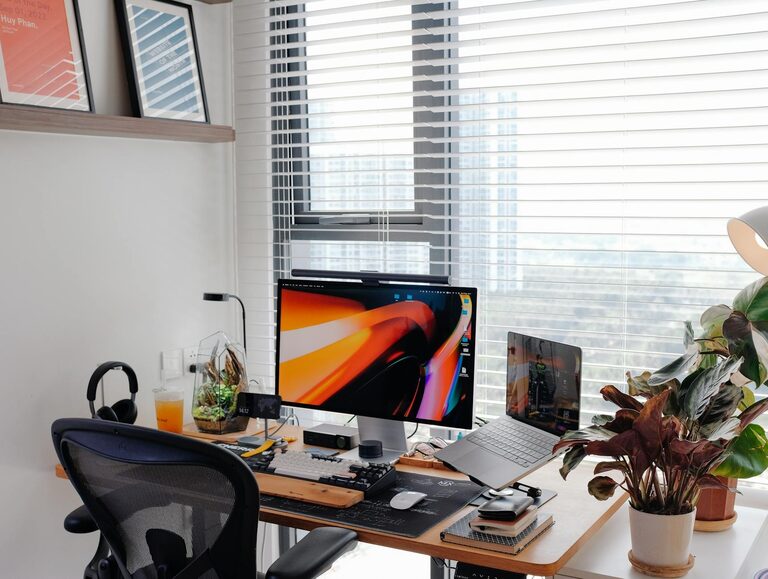
– Natural light: A space with plenty of natural light can improve mood and reduce eye strain. Look for a spot near a window if possible.
– Minimise distractions: Choose a quiet area away from the main activity zones in your home.
– Space availability: Make sure there is enough room for your desk, chair, and any equipment you need, allowing for comfortable movement.
If space is limited, even a small corner in a shared room can become a dedicated workspace with some thoughtful organisation.
Invest in Ergonomic Furniture
Comfort plays a crucial role in productivity. Ergonomic furniture supports your posture and reduces the risk of discomfort or repetitive strain injuries.
– Chair: Select an adjustable chair with good lumbar support. Your feet should rest flat on the floor, and your knees should be roughly at a 90-degree angle.
– Desk: Your desk should be at a height that allows your arms to rest comfortably at a 90-degree angle when typing.
– Monitor height: Position your screen so that the top of the monitor is at eye level to avoid neck strain.
Investing in these basics helps you stay comfortable for longer periods, reducing fatigue and increasing focus.
Keep Your Workspace Organised
Clutter can hinder productivity and cause stress. Maintain a tidy workspace by:
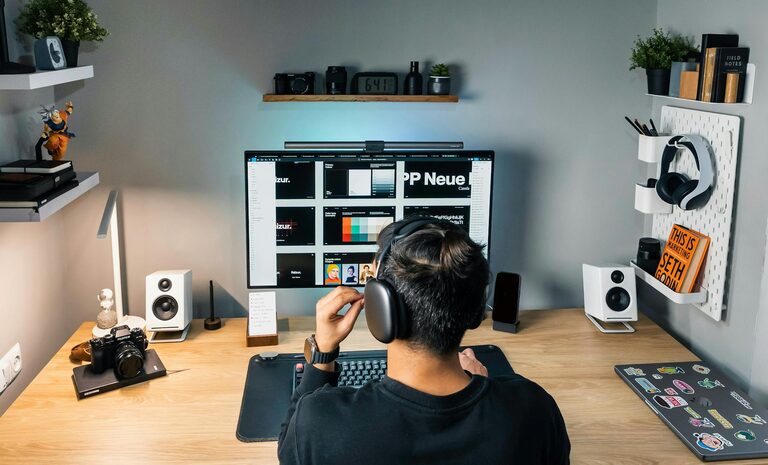
– Using storage solutions: Shelves, drawers, and boxes help keep essential items organised and out of sight.
– Decluttering regularly: Set aside time each week to clear unnecessary items.
– Managing cables: Use cable organisers or clips to prevent wires from tangling and creating a mess.
A clean workspace can improve your focus and make it easier to find what you need, saving time.
Personalise Your Space
Adding personal touches can make your workspace feel more inviting and help motivate you.
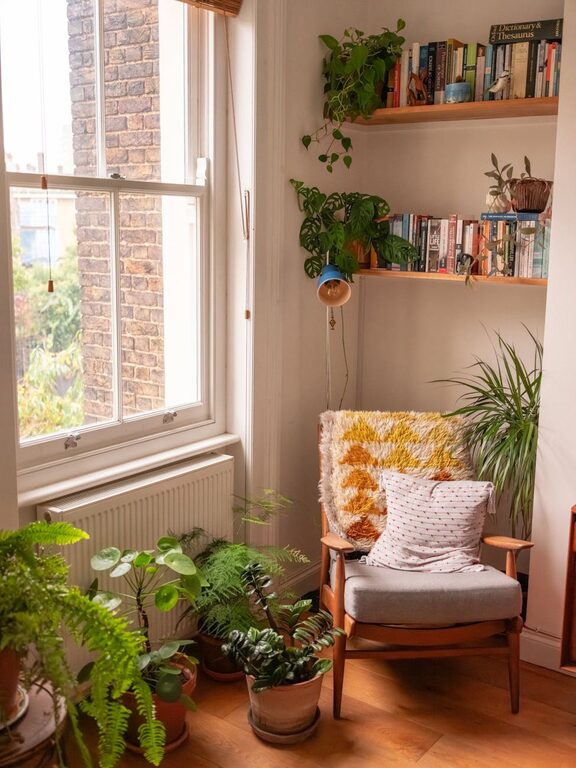
– Decor: Use artwork, plants, or photographs that inspire you.
– Lighting: Apart from natural light, consider adjustable desk lamps with warm lighting for cosy ambiance during darker hours.
– Comfort items: A cosy throw, a soft rug, or cushions can make the space feel homelier.
Personalising your workspace can boost your mood and make it a place you enjoy spending time in.
Manage Noise Levels
Noise can be a major distraction. Depending on your home environment, try these solutions:
– Noise-cancelling headphones: Useful if you can’t control household noises.
– Soft furnishings: Rugs, curtains, and upholstered furniture absorb sound.
– White noise machines: These provide a steady, gentle background sound that can help drown out disruptive noises.
Finding a comfortable noise environment helps maintain concentration.
Establish Boundaries and Routine
Working from home requires clear boundaries between your work life and personal life.
– Set work hours: Having defined start and finish times helps create structure.
– Take breaks: Regular breaks prevent burnout and keep your mind fresh.
– Separate work and leisure areas: Avoid working from beds or sofas if possible, to maintain a healthy work routine.
A well-established routine reduces stress and supports productivity.
Utilise Technology Effectively
The right technology setup optimises your home workspace.
– Reliable internet connection: Essential for smooth communication and research.
– Good-quality peripherals: A comfortable keyboard, mouse, and webcam improve your experience.
– Organisation apps: Use digital tools to manage tasks, notes, and calendars effectively.
Keeping your technology organised and reliable ensures fewer interruptions.
Maintain Good Air Quality
A fresh and well-ventilated room keeps you alert and comfortable.
– Open windows regularly: Allow fresh air to circulate.
– Indoor plants: Improve air quality and add a natural element to your office.
– Air purifiers: Consider investing in one if the air quality at home is poor.
Good air quality supports health and concentration.
Conclusion
Creating a cosy and productive home workspace is not just about aesthetics; it’s about making a space that supports your workflow and wellbeing. By choosing the right location, investing in ergonomic furniture, keeping the area organised, personalising it, managing noise, establishing routines, utilising technology, and ensuring good air quality, you can design a workspace that helps you work more efficiently and enjoyably. Take time to tailor your workspace to your needs—your productivity and comfort will thank you.
About the Author